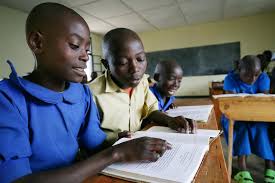
In the heart of Kigali and across the globe, the conversation around social progress always returns to a single, powerful pivot point: Education.
When we talk about "Impact," we aren't just talking about charity or temporary aid. We are talking about sustainable, systemic change. There is no tool more effective at breaking the cycle of poverty, improving public health, and fostering innovation than ensuring that every child—regardless of their background—has a seat in a classroom.
The Ripple Effect of Literacy
Education is the ultimate "multiplier." When one person learns to read, write, and think critically, the benefits do not stop with them.
-
Economic Stability: For every additional year of schooling, an individual's potential earnings increase significantly. On a macro level, an educated workforce is the engine of a thriving economy.
-
Health and Well-being: Educated individuals are better equipped to make informed decisions about nutrition, hygiene, and medical care, leading to lower infant mortality rates and longer life expectancies.
-
Gender Equality: When we educate girls, we change the world. Educated women are more likely to participate in the labor market and invest in the education and health of their own future families.
Beyond the Four Walls: Education in the Digital Age
In 2026, education is no longer confined to physical textbooks. The "Education for All" mission has expanded to include Digital Literacy.
With the rise of coding, mobile technology, and remote learning, we have a unique opportunity to bridge the gap. By integrating tools like Flutter for mobile app development or web-based learning platforms into regional curricula, we are giving students in every corner of the world the keys to the global digital economy.
"Education is the most powerful weapon which you can use to change the world." — Nelson Mandela
Our Collective Responsibility
Achieving true education for all requires more than just government policy; it requires a community-driven approach. This includes:
-
Infrastructure: Building safe, accessible schools and ensuring reliable internet connectivity.
-
Teacher Support: Investing in educators with the right tools and training, from pedagogical frameworks like Bloom’s Taxonomy to technical mastery.
-
Inclusivity: Removing the barriers for children with disabilities, those in rural areas, and those facing financial hardship.
Conclusion: A Call to Action
The category of "Impact" is defined by the legacy we leave behind. By championing Education for All, we are not just teaching lessons—we are building a foundation for peace, prosperity, and a brighter tomorrow for the next generation.
Whether it's through mentoring, donating, or advocating for better local resources, every action counts. Let’s make education a right, not a privilege.
What role do you think technology should play in making education more accessible in rural areas?